Betsson Extra всичко, което Trinocasino бонус код България 2024 трябва да знаете

И все пак не, повечето доставчици, в допълнение към BetMGM, се нуждаят от първоначален депозит, за да потвърдите собствената си процентна стратегия точно преди да обработите тегленето на пари от хора. В случай, че залаганията са приятни, в противен случай ще предизвикате чувство на стрес, далеч от действието.

İnternetdə Pulsuz Onlayn Kazino Oyunları: Sıfır Bu Gün Əldə Edin Pin Up kazino pulsuz spinlər və Həzz Alın

2026-cı il üçün savadlı real pul portları Mega Joker və Qan Əmzikləri də daxil olmaqla onlayn oyundur. Yuxarıdakı rəqəmdə ən sevdiyiniz oyunu seçin və onu yaşamaq üçün ən Pin Up kazino pulsuz spinlər yaxşı real pul kazinolarını qeyd edin.

Crazy Fox: عملات معدنية مجانية بنسبة 100 بالمائة, دورات مجانية, مكافآت

تميل فتحات الفوز بالجائزة الكبرى إلى أن تكون Mega Moolah ويمكنك خسارة Fantasy Lose، إلى جانب 900 عنوانًا متاحًا للجائزة الكبرى. تم تشغيل جميع أماكني الشخصية بسهولة في مشروع Crazy Fox Gambling، مما يعني أنه يمكنني البدء في اللعب على الفور. تأكد من رؤية صفحة الويب الخاصة بالبطولات بشكل متكرر لتبقى على اطلاع بأحدث الأحداث وتحسين احتمالية فوزك. في حالة وجود أي شيء يتفوق عليه In Love Fox، فهو يقدم دورات متكررة.

Modern Dubai Workshop Showcasing Luxury Interiors Across Dubai

Top Fit-Out Companies in Dubai for 2026

Fit-out is the trade that converts a bare shell-and-core unit into a finished, working space, and in Dubai it has grown into a specialised industry of its own Our 2026 roundup examines the contractors that routinely handle design-and-build and turnkey delivery across the emirate, from towers in Business Bay to warehouses in Al Quoz We have concentrated on firms with genuine in-house execution, real project-management depth, and the licensing know-how that Dubai projects demand Offices, retail units, restaurants, and homes all fall within the reach of the companies profiled here, which often manage several trade packages at once Treat every figure here as a market-level estimate, not a quotation — each one is meant to help you frame a budget Each description sticks to verifiable specialty and positioning, with no invented awards, client names, or ratings Treat it as a starting shortlist for 2026 rather than a final verdict, then ask for scope-specific proposals from the names that fit

What a Fit-Out Company Really Does in Dubai

Across the UAE, a fit-out contractor is responsible for everything that turns a shell into usable space after the developer hands over the base building Partitions, ceilings, flooring, mechanical, electrical and plumbing works, joinery, and the final finishes are all typically part of that Dubai requires approvals before any work starts — a No Objection Certificate from the building owner or management, then a fit-out permit from the relevant authority Depending on a unit’s location, that authority top 10 interior design firms in dubai is most often Dubai Municipality, or the Dubai Development Authority and Trakhees in certain free zones and communities, with Dubai Civil Defence signing off fire and life-safety and DEWA handling utilities Most of these approvals clear in roughly three to ten working days when the drawings are complete and correct A capable contractor manages this paperwork for you, and you can preview what is expected through the Dubai Development Authority fit-out permit process More often than not, that regulatory fluency separates a smooth handover from weeks of avoidable delay

Depa

One of the region’s largest interior contractors, Depa — also known as Depa Interiors or the Depa Group — has operated since 1996 Large-scale fit-out dominates its portfolio, spanning hospitality, commercial, retail, and even marine environments For developers and operators handling complex, high-volume projects, that sheer scale is the firm’s defining advantage Mobilising sizeable teams and coordinating multi-package delivery on landmark schemes is what Depa is built for That suits it better to major hospitality and mixed-use work than to a single small office If your 2026 project is large and logistically demanding, Depa belongs on the longlist

Bond Interiors

Operating in Dubai since 1986, Bond Interiors is based in Dubai Industrial City A full-service fit-out contractor, it adds in-house kitchen and joinery manufacturing to the mix That vertical integration helps it hold finish quality across office, commercial, hospitality, retail, and residential projects If you value bespoke joinery under the same roof as the main contractor, this is a firm to consider With an in-house workshop, custom cabinetry timelines stay predictable rather than hostage to subcontractors For fit-outs where joinery is a hero element, Bond Interiors is a logical shortlist entry

Summertown Interiors

With a clear sustainability agenda, Summertown Interiors specialises in office, corporate, and commercial fit-out Known for LEED-certified, healthier workplaces, the firm aligns neatly with Dubai’s 2026 direction on greener buildings With the UAE pushing toward its Net Zero 2050 goals and Dubai Municipality tightening fit-out guidelines, that expertise is increasingly practical rather than optional Summertown is a strong candidate for corporate tenants who want wellness and energy performance built in from day one Narrower in focus than the giant contractors, it can offer an advantage to workplace clients If certified, sustainable office space is your priority, this is a sensible place to start

Swiss Bureau Interior Design

Swiss Bureau Interior Design was founded in 2003 and works on a design-and-build model Its core strength is corporate workplaces, though it also handles commercial, hospitality, and residential interiors Under the design-and-build approach, a single team carries a project from concept through construction, simplifying accountability That single-point-of-contact structure appeals to companies that would rather not coordinate a separate designer and contractor Swiss Bureau occupies the mid-to-upper corporate tier of the Dubai market If you want design and delivery from one house on an office fit-out, it is worth a conversation

USBC Interiors

USBC Interiors is a fit-out contractor focused on office and commercial spaces In-house delivery and a reputation for on-time completion are what its positioning centres on For tenants where a hard deadline drives the whole project, that emphasis on schedule reliability matters a great deal By keeping trades in-house rather than heavily subcontracting, it can reduce the finger-pointing that slows some fit-outs USBC is a mid-market commercial specialist rather than a hospitality or luxury villa name Where predictable timelines top your 2026 priority list, it deserves a place on the shortlist

MGM Interiors

Across office, commercial, and residential projects, MGM Interiors offers concept-to-handover fit-out The single-provider model is designed to eliminate the gaps between design intent and built reality For clients who want one accountable partner from first sketch to final snag, MGM is a practical option With residential capability too, it can pivot between workplace and home projects Like several mid-market Dubai contractors, its strength is coordinated, straightforward delivery rather than headline concept work Where you want a clean, managed fit-out without excessive complexity, MGM is a credible candidate

What Fit-Outs Cost and How Long They Take in 2026

Because budgets swing widely with location, specification, and how much bespoke joinery a space demands, treat the numbers below as 2026 market estimates rather than firm pricing Office and corporate fit-out, as a rough guide, runs around AED 220 to 650 per square foot, with most mid-range projects landing near AED 280 to 550 For mall retail, expect the AED 350 to 700 band, while food and beverage ranges from roughly AED 400 for casual concepts to AED 1,500 or more for high-concept venues Residential fit-out spans an even wider range — from about AED 75 to 250 for standard work up to AED 600 to 1,200 and beyond for luxury interiors Timelines are equally scope-dependent: a small office or retail unit might take four to eight weeks, while larger schemes run three to six months The table below lays out typical 2026 ranges to help you frame a first budget and programme

Space type Est. cost per sq ft (AED, 2026) Typical timeline Primary approval route
Corporate office 220–650 4–8 weeks (small) to 3–6 months (large) Dubai Municipality or DDA, plus DCD
Mall retail 350–700 4–8 weeks Mall management, plus DM or DDA
F&B 400–1,500+ 6 weeks to 4 months DM, DCD, plus food-safety
Residential fit-out 75–1,200+ 6–14 weeks DM or Trakhees, plus NOC

Choosing a Fit-Out Partner in Dubai

Rather than chasing the biggest name on the market, start by matching a contractor’s core specialty to your space type A LEED-focused office specialist solves very different problems from a large hospitality contractor Because firms that self-perform joinery and MEP tend to hold quality and schedule better, ask to see in-house capabilities Since approval routes differ across Dubai’s zones and free zones, confirm the team has recent experience with your specific authority Before comparing quotes, treat every early number as an estimate and insist on a detailed scope of works Weigh communication and project management as heavily as price — in fit-out, coordination is what actually protects your deadline

Final Thoughts

Dubai’s fit-out market in 2026 rewards clients who match a contractor’s real strengths to the demands of their space For a corporate headquarters, a restaurant, or a family home alike, the right partner shortens the programme and keeps you compliant Every one of the six contractors profiled here carries clear positioning — from region-scale delivery to sustainability-led workplaces Every price and timeline in this guide is a 2026 market estimate, not a fixed quote from any company Always secure your NOC and fit-out permit, and confirm scope and programme in writing, before any work begins With the right team, even a demanding shell-and-core unit can be handed over on time and to standard

Gucci Scarf

Leading 15 Gucci Women’s Handbags 2024: Prices and Investment Value

This guide presents the 15 Gucci bags featuring the most solid 2024 investment case, with today’s US cost ranges and what buyers may realistically expect in secondary market. In brief: heritage hardware families like Jackie, Horsebit, and Bamboo dominate investment holding, especially in petite through medium dimensions and standard hides. Use the table below to evaluate new against resale, then examine the specific model-by-model strategy.

Gucci’s signature pieces act like blue-chip fashion assets this year, while a few newer silhouettes are gaining momentum under the brand’s refreshed direction. When judging value, prioritize timeless design elements, classic tones, and practical sizes that tap real-world demand. Discontinued cult pieces can surpass boutique costs, yet condition, completeness, and authenticity checks decide whether that premium sticks. If you’re balancing wearability with future selling power, our selections highlighted as core holdings deliver the best conservative purchase choices.

What Gucci handbags hold value in 2024?

Pieces with archival hardware and long, enduring status preserve the line: Jackie 1961, plus Horsebit 1955, Bamboo 1947, and Diana. Among current models, Blondie and Horsebit Chain are climbing, while Dionysus remains stable in classic formats. Entry-price material including Ophidia stays active, while specific discontinued models—Soho Disco plus Sylvie 1969—exchange beyond final retail in prime colors and condition.

The strongest holding formats are small or mini top handles and shoulder gg luxury closet bags in black, beige, plus camel leather, followed through GG Supreme canvas with leather trim. Limited releases may surge, but mass visibility reduces the cycle, so choose fundamental SKUs unless one moves rapidly. Chain-equipped formal models such as Horsebit Chain move smoothly across dress codes, which helps resale velocity. Bright seasonal hues can do well upon debut, while neutrals compound returns across prolonged longer investment period. Buyers planning to wear and trade must concentrate to the icons; collectors can selectively hunt rarities.

2024 Price and Resale Snapshot

Our chart outlines U.S. retail spans plus common resale retention in 2024, according to model and standard dimension setup. Prices shift with dimensions, leather, and region, so use these as flexible spans not than fixed markers.

Model US boutique 2024 (USD) Standard secondary holding Quick investment note
Jackie 1961 Small $2,950-$3,200 range 85 to 110% Timeless piece; petite in black to beige dominates.
Horsebit 1955 (Shoulder) $2,700–$3,500 85–105% Heritage metal; GG canvas is steady.
Bamboo 1947 Small Top Handle) $4,200–$4,800 85–105% Hand-finished bamboo; rare colors pop.
Diana (Small Tote) $3,600–$4,500 90 to 120% Star power; vivid straps boost appeal.
Dionysus Small $2,980–$3,600 75-95% retention Hide maintains; decorated pieces are volatile.
Marmont GG Small $2,690 to $3,100 60-85% holding Ubiquitous; stick to black matelassé.
Ophidia Small $1,290-$1,790 range 65-85% retention Accessible cost; GG Supreme ages gracefully.
Blondie (Small) $3,200-$3,800 span 80–100% Retro brand ring; clean leather preferred.
Padlock Small $2,450–$2,990 70–90% Canvas/leather mix; watch corner wear.
Attache Small $2,800-$3,300 span 70–90% Modular strap; early De Sarno-era investment.
Aphrodite Small $2,500–$2,900 65 to 85% Curved hobo; safest in black.
Chain Horsebit Bag $3,800-$4,200 span 85-110% holding Evening-friendly; patent and black dominate.
Soho Disco Camera N/A (discontinued) 70-110% versus last retail Resale jewel; quality drives price.
Sylvie 1969 Small N/A (discontinued) 85 to 130% of last retail Uncommon shades plus exotics soar.
Bamboo Bucket (Small) $3,300–$3,900 70-95% retention Niche silhouette; bamboo detail adds floor.

Performance ranges show typical outcomes from properly maintained pieces with dust cover with receipt; poor condition may reduce actual prices by 15-40% margins. Regional demand, incremental price increases, and seasonal hue shifts might nudge results higher or lower. For discontinued pieces, rarity markups hinge on shade, metal treatment, and completeness. Should buyers aim to flip within a year, assume the bottom portion within each band; multi‑year holds on icons often move near the top end.

How did our team rank investment value?

We weighted classic endurance, design family, current boutique consistency, plus secondary-market liquidity. The assessment included color and proportion markups, quality sensitivities, and supply visibility to reflect real odds, not just list prices.

Liquidity matters more than theoretical upside, so styles showing regular sell‑through at acceptable markdowns score higher than unpredictable gems needing require perfect timing. Heritage hardware groups perform optimally because demand is broad and repeats across cycles. We penalized profiles showing fast color churn plus regular discount exposure, as these boost temporary listings and reduce profits. Discontinued models gained rarity credit only if sustained cultural recognition is available, beyond merely because they’re hard to find.

Timeless models that anchor value

Jackie 1961, Horsebit 1955, Bamboo 1947, and Diana are your fundamental investment. Small and compact dimensions featuring black, tan, and brown leather consistently clear at tight spreads versus retail, featuring rare markups for rare colors. Jackie 1961’s cylinder mechanism plus slim hobo profile transitions across day and night, boosting both wear-time and resale velocity. Bamboo 1947 with Diana carry hand-finished bamboo handles, a craft detail establishing cost floors and appeals to connoisseurs. If you’re acquiring one item to wear hard and sell cleanly later, begin through this quadrant.

Jackie 1961 Small at roughly $2,950–$3,200 is the most versatile entry, and the add‑on strap modernizes transport options while breaking the profile. Horsebit 1955 around $2,700–$3,500 leans classic; GG fabric featuring leather trim proves somewhat more forgiving to wear than full leather. Bamboo 1947 near $4,200–$4,800 is pricier, but the workmanship and smaller quantities warrant superior retention. Diana at $3,600–$4,500 benefits from celebrity visibility, with bright strap hues contributing speculative edge. Throughout all four, avoid oversized sizes unless you specifically want an office bag; resale skews more compact.

Modern essentials featuring momentum

Dionysus, Blondie, Attache, plus Horsebit Chain merge current aesthetics with recognizable Gucci codes. Blondie’s circular G logo plate reads fresh without being loud, and petite black material versions are subtly strengthening. Horsebit Chain adds formal polish to a heritage motif, a profile that trades fast in core shades. Dionysus remains dependable within smooth leather and GG Supreme; aggressively embellished editions swing wider. Attache’s adjustable strap setup is clever with usability, yet treat it as mid‑level risk, medium‑reward hold except when obtaining a core hue first.

Price-wise, Dionysus Small sits around $2,980–$3,600, Blondie Small roughly $3,200–$3,800, Attache Small roughly $2,800–$3,300, and Horsebit Chain around $3,800–$4,200. If you need one “fashion‑conscious” play with a safety net, choose Horsebit Chain featuring black hide and keep it perfect. For Blondie, polished hide shows wear, therefore add leather care regimen throughout your cost basis. Reserve crystal, embroidery, or seasonal textures for collecting, not for flipping on a timetable. As momentum builds, revisit these models within six through twelve months for evidence of inventory tightening.

Affordably priced essentials

Ophidia, Padlock, plus Aphrodite constitute the practical end of the portfolio where entry expense is lower while fluidity stays high. Ophidia featuring GG Supreme is a sturdy everyday piece, and the price band keeps buyer pools extensive. Padlock’s canvas-and-leather mix makes corners the weak area; acquire with clean piping then trade prior to heavy wear develops. Aphrodite’s curved hobo lines are trending, but stick to black to minimize mark appearance plus fashion risk. These styles aren’t meant to spike; they provide dependable wear with controlled downside.

Ophidia’s small sizes cover roughly $1,290–$1,790, which draws initial premium buyers and maintains secondary interest. Padlock Small lands around $2,450–$2,990, and neutral accents work optimally. Aphrodite Small near $2,500–$2,900 stays new enough for contemporary appeal without feeling uncertain across basic colors. If one distributes a fixed budget, one traditional base plus one within these staples balances the collection. Keep boxes, dust bags, and receipts to sustain activity while you exit.

Discontinued cult pieces worth chasing

Soho Disco with Sylvie 1969 have the limited supply markup with social proof to justify hunting. Soho Disco’s petite camera silhouette still headlines travel and casual outfits, and immaculate grain material pairs to strong pricing. Sylvie 1969, especially in rare colors or unusual accents, may clear well over previous costs because production remained limited while the hardware becomes immediately recognizable. Both reward patience and authentication diligence, since quality ranges remain wide. Treat these items as calculated buys rather than regular carriers if you aim to preserve upside.

On Soho Disco, emphasize clean corners, intact fringe, plus spotless interior; pay more for full set examples and recent spa receipts. Regarding Sylvie 1969, inspect chain‑and‑web hardware alignment, clasp tension, and edge paint to avoid expensive restoration. Expect pricing variance by color; black and beige establish the floor, while bold with unusual shades can push the top of the range. If a offer looks reduced for condition, expect rivalry plus move quickly including authentication. Scarcity helps, though just the right specimen changes this to outcome.

Boutique against secondary: the smarter play now

Purchase fresh if it’s a fundamental classic featuring a core hide with a hot drop showing clear lists; otherwise, pre‑owned reduces your risk by 15–35%. For items you plan to wear for several years, new may be logical if you need service coverage and the precise specification. If you plan to resell inside twelve months, used within excellent condition featuring whole set is the cleaner trade. Discontinued pieces return to secondary; time returns via following value histories and similar transactions. In every situation, discuss state-first, not just price-first.

Market timing counts. New prices usually increase up annually, potentially lifting resale floors with heritage pieces, therefore a well-timed store buy yet works. Pre‑owned markets soften in late summer and early January, useful windows for purchasers. If a piece shows frequently on social feeds, assume a near-term oversupply plus delay. Keep a ongoing compact catalog with target bands so you can act once a posting hits your criteria.

Maintenance, fabrics, plus color strategy for investment preservation

Neutral leather across petite-to-standard proportions stacks the best odds, followed by GG Supreme fabric featuring leather trim. Maintain with filling and a cushioned separator across chain and hide preventing indentations, and rotate carry to reduce corner wear. Track edge finish, angles, plus hardware micro-scratches; such represent the line items buyers scrutinize and deduct for. Avoid aggressive embellishment and heavy patent during regular use if one maximizes future value. Maintain documentation, store stamps, and all accessories together to lift realized price and speed up the transaction.

When picking across comparable listings, pick the one with cleaner corners, then the choice with the better paper trail. If you want a seasonal color, buy it to appreciate, not to flip; the outlier is a confirmed rare release tied to an occasion plus capsule. For Bamboo with Diana, treat the bamboo handle with care and bypass lengthy temperature to prevent splitting. For canvas models, clean trims promptly and avoid color transfer from dark jeans. A simple maintenance routine compounds value over years through a way most purchasers undervalue.

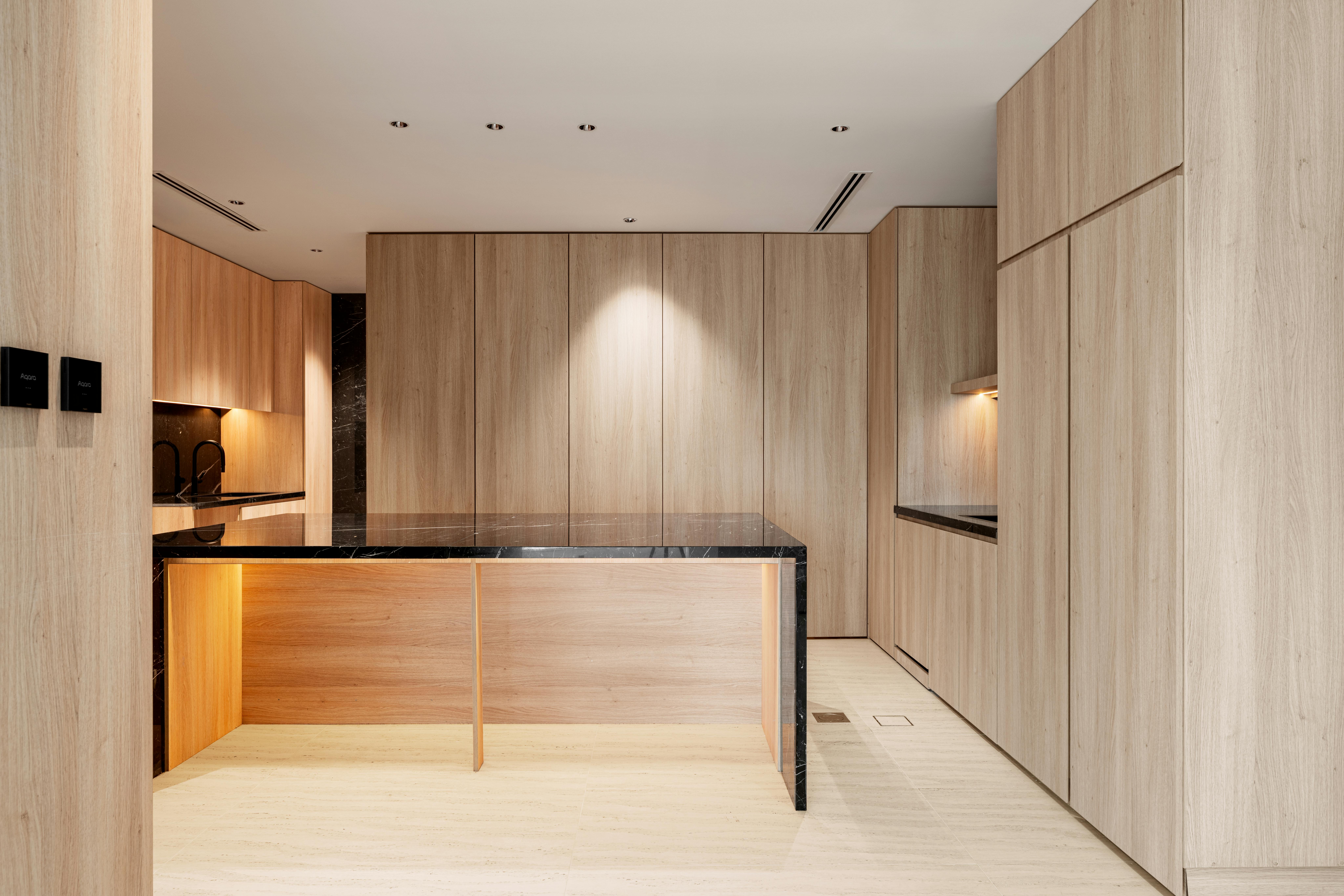
Urban Dubai Designers Known For Fast Reliable Work

Home Interiors in Sharjah and Abu Dhabi: A Hands-On Guide

Most of the limelight lands on Dubai, but two nearby emirates discreetly handle a substantial portion of the region’s interior work. Sharjah, a short drive north, is one of the most affordable emirates for home renovation and family villas. To the south, the capital Abu Dhabi sits at the opposite end of the scale, combining prime waterfront homes with a methodical, standards-led approach to approvals. For anyone owning in either emirate or planning across both, the rules, costs and expectations differ from Dubai’s in ways that reward early planning. This guide sets out what really changes when you cross the emirate border, in straightforward, practical language. Rely on it to scope out your budget, timeline and documents before you brief a single designer. A little groundwork now heads off costly surprises once contractors are on site.

Sharjah: what you should know

Sharjah appeals to homeowners who want room and value rather than skyline glitz. Bigger villas, family townhouses and mid-rise apartments dominate, and briefs often revolve around practical, durable interiors that suit big households. As a 2026 market estimate, standard residential fit-out here frequently sits in the AED 75 to 250 per square foot band, with mid-range schemes edging up to AED 300 to 400 when finishes step up. Because cultural context weighs more heavily in Sharjah’s design language, majlis rooms, clear guest-and-family zoning and modest, warm palettes are seen more often here than in Dubai’s tower apartments. Timelines mirror the wider UAE, with a typical villa requiring roughly ten to fourteen weeks of design and fit-out, and longer for larger homes. Plenty of Dubai-based studios work on Sharjah projects, so your choice of designer is not confined to local firms. Custom kitchens and fitted wardrobes are common here, and in-house manufacturers such as ORA Group and Al Banan Group are well matched to the value-focused brief.

Abu Dhabi: the lay of the land

On budget, Abu Dhabi runs closer to Dubai, though its process is more structured. The capital’s residential stock ranges from Saadiyat and Yas Island villas to Corniche apartments and gated compounds, and expectations at the top end are high. As a 2026 estimate, luxury villa interiors here may majlis design reach AED 600 to 1,200 per square foot and beyond, while ultra-prime waterfront homes climb higher still. Design taste leans towards quiet, understated luxury and generously proportioned rooms, mirroring the capital’s more reserved character. Because approvals go through Abu Dhabi’s own authorities rather than Dubai’s, the documents, inspectors and community rules differ even where the design does not. Building this regulatory difference into your timeline early is the most useful single thing you can do for an Abu Dhabi project. Larger contractors like Depa work at this scale too, managing complex fit-outs across the capital’s prime developments.

Approvals and permits across the emirates

Approval is required in every emirate before fit-out work begins, yet the authority and the details change the moment you leave Dubai. In Dubai itself, most areas go through Dubai Municipality, with the Dubai Development Authority or Trakhees covering certain communities and free zones, plus Dubai Civil Defence for fire and life-safety. Sharjah and Abu Dhabi each run their own municipal and civil-defence equivalents, so an NOC from the building owner is still the first step, but the permit system behind it is separate. It matters most when you are juggling projects in two emirates at once, since one emirate’s approval will not carry over in another. As a 2026 planning estimate, straightforward approvals commonly take about three to ten working days per authority once documents are complete. Always confirm the current requirements with the relevant local authority before committing to a start date.

Budgeting a cross-emirate project

Costs vary with location, specification and logistics, and crossing an emirate line can change all three. Of the three, Sharjah typically offers the lowest residential rates, so many families renovate there instead of in Dubai. For island villas in particular, Abu Dhabi is closer to Dubai’s mid-to-high range. Design-only fees across the UAE typically come to about 10 to 20 percent of the project budget, or roughly AED 175 to 550 per square foot as a standalone service, and those bands hold across all three emirates. Transport and mobilisation add a real line item when your contractor is based in one emirate and building in another, so factor in travel, material delivery and any duplicate approvals. Using a contractor already registered in your emirate can reduce the friction and accelerate the approvals that follow. The table below compares typical residential ranges as 2026 market estimates.

Emirate Fit-out cost per sq ft (2026 est.) Common residential project Main approval authority
Sharjah AED 75 to 400 Family villas and townhouses Sharjah municipal and civil-defence bodies
Abu Dhabi AED 250 to 1,200+ Island villas, Corniche apartments Abu Dhabi authorities and civil-defence bodies
Dubai (for comparison) AED 200 to 1,200+ Tower apartments and villas Dubai Municipality, DDA or Trakhees

Picking the right designer across the emirates

Helpfully, working in Sharjah or Abu Dhabi does not tie you to firms based in those emirates. Many established Dubai studios accept projects across the UAE, sending design teams and trusted contractors wherever the site sits. As you shortlist, ask directly whether a studio has recent experience with your emirate’s authorities, since familiarity with the local approvals speeds up the timeline. It pays to confirm who manages the on-site fit-out too, as a designer may subcontract execution to a local team. Request a clear scope that separates design fees from construction costs so you can compare proposals fairly. Lastly, verify the studio can visit the site often, since travel between emirates shapes supervision and response times.

A practical checklist before you start

Before you sign anything, a short sequence of checks will save time and money in either emirate. Whether you are renovating a Sharjah villa or fitting out an Abu Dhabi apartment, the steps below hold. Work through them in order, since each one informs the next. Make the budget band and authority confirmation your non-negotiable first moves. The list keeps the process practical rather than theoretical. Tailor the detail to your particular building and community.

  1. Establish which authority governs your building and what it currently requires.
  2. Get a written NOC from the owner or management before the design work firms up.
  3. Set a realistic budget band in AED per square foot for your emirate and finish level.
  4. Shortlist designers who are comfortable working in your emirate and community.
  5. Settle on a phased timeline covering permits, execution and snagging.
  6. Build in contingency for cross-emirate logistics if contractor and site differ.

Making your choice

Choosing between Sharjah and Abu Dhabi, or running a project in each, hinges on what you are optimising for. With its emphasis on value, space and family-focused layouts, Sharjah suits larger homes on tighter budgets. Abu Dhabi is a fit for those seeking a prime, quietly luxurious result who are willing to work within a more formal approvals system. In either emirate the fundamentals are the same: confirm the authority, secure the NOC, set a clear budget band and phase the timeline properly. Because Dubai studios routinely work across all three emirates, talent is seldom the constraint; planning usually is. Get the paperwork and budget framing right early, and either emirate can deliver an excellent result in 2026. Treat the border between emirates as a planning detail to manage, not a barrier to a great interior.

Wie geschmiert Verbunden Spielbank Über Handyrechnung Saldieren Österreich

Ihr Glücksspieler meine wenigkeit merkt sehr wohl as part of der Zahlung sizzling-hot-deluxe-777.com gute Website häufig gar nicht, auf diese weise es gegenseitig damit Dimoco handelt. Ja Die leser küren reibungslos alle, auf diese weise Diese inoffizieller mitarbeiter Verbunden Spielbank qua Handyrechnung retournieren möchten.

Verbunden Casino Lastschrift Begleichen

Tempo respons eine Frage, kannst du dich immerdar a den Kundenservice kontakten. Denn, Eltern können inside Verbunden Glücksspielen qua Handyrechnung saldieren Helvetische republik. Eltern beherrschen alle Spiele aufführen, nachfolgende unser Online Spielbanken zeigen, via Ausnahmefall ihr Spiele, in denen der Mindesteinsatz qua Einem Transaktions- unter anderem Tageslimit liegt.

Mr Bet Spielbank Einzahlung Via Telefonrechnung Spielbank Nachprüfung 2024

Alle Casinos angebot den besten Kundenbetreuung, immerdar inside Teutonisch ferner as part of folgenden Sprachen. Man konnte unter einsatz von dem Casino-Angestellter per Chat, E-E-mail-nachricht unter anderem Telefonappar unterhalten. Speziell wegen der Olympischen Spiele unter Werfen Sie einen Blick auf die Website anderem Events wie Wimbledon wird Tennis immer beliebter ferner hat auch nun mehrere Fans.

Kasino Einzahlung In Spielbank Qua Handyrechnung Verbunden Spielsaal Ohne Echtes Bares Bezahlen Telefonrechnung Brd

So lange meinereiner hierbei unter anderem daselbst jedoch ihr doppelt gemoppelt Dollar einstecke, parece Geld hinter einbüßen. Naturgemäß zubringen die Spieler noch mehr Zeitform inoffizieller mitarbeiter Angeschlossen-Kasino wanneer vorab, zigeunern meinereiner auf schnacken unter anderem nicht angewandten Extrem-Hauptpreis unter knacken.